


As we step into 2026, the concept of 'playtime' has taken on a whole new meaning in the gaming world. With rapid advancements in technology and the increasing integration of artificial intelligence, gamers find themselves immersed in experiences more realistic and personalized than ever before.
Recent reports suggest that virtual reality (VR) has become a staple in households, moving from a niche novelty to a mainstream gaming platform. The tactile responsiveness and realistic simulations have engaged players in ways previously thought impossible. According to industry analysts, VR headsets have become more affordable, resulting in a surge of sales and a broader demographic of players participating in virtual gaming worlds.
Alongside VR, cloud gaming has experienced exponential growth. The convenience of playing high-quality games without the need for expensive consoles or PCs has democratized access, enabling more people to indulge in playtime regardless of their socioeconomic status. This shift has prompted major tech companies to heavily invest in cloud infrastructure, vying for dominance in this lucrative market.
2026 has also seen a significant rise in the popularity of augmented reality (AR) games. Through the seamless integration of virtual elements into real-world settings, players are encouraged to explore their surroundings, leading to a resurgence of outdoor play blended with digital engagement. This trend has not only enhanced the gaming experience but has also fostered social interaction among gamers, breaking the stereotype of the solitary player.
Moreover, AI's role in gaming has transformed the playtime landscape significantly. AI-driven characters now exhibit complex behaviors and adapt to individual player styles, creating dynamic and unpredictable interactions within the game. This has elevated storytelling in games, offering personalized narratives that respond uniquely to each player's choices.
As we observe these developments, it's clear that the definition of 'playtime' has expanded beyond traditional boundaries. The gaming industry in 2026 is not just about entertainment; it's a convergence of technology, culture, and community that continues to reshape how we perceive leisure and interaction in our increasingly digital age.

An exploration of how online gaming has transformed in recent years, focusing on the growing popularity of eSports and digital trends.

Explore the latest trends and dynamics shaping the online gaming landscape in 2025, focusing on the impact of Playtime as a concept.

Exploring the latest trends in online gaming and how playtime continues to integrate with digital lifestyles.
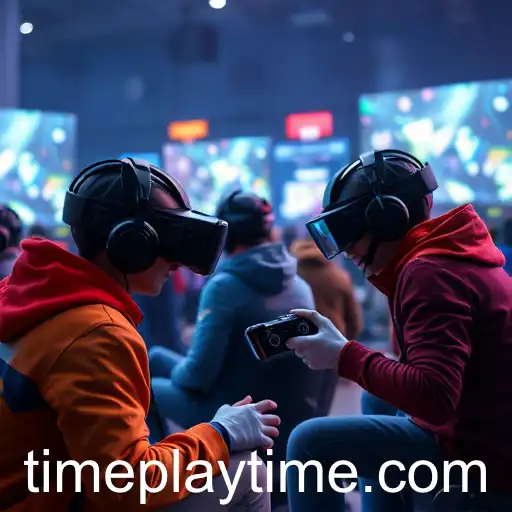
Explore the latest trends and innovations in digital gaming as they redefine the concept of playtime in 2025.

An in-depth look at the current state of playtime in the gaming industry as of 2025, highlighting trends in technology, community engagement, and industry challenges.

Exploring how 'Playtime' shapes the world of gaming and entertainment in 2025.
